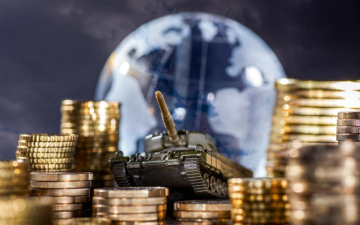
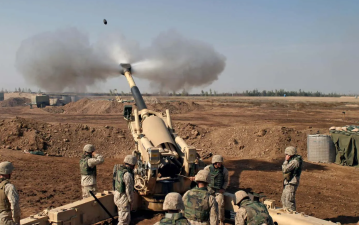
War has once again redefined the global landscape. After decades of relative calm following the Cold War, the number of active conflicts has surged in recent years, reaching levels not seen since the end of World War II. Concurrently, escalating geopolitical tensions and mounting security concerns are prompting many governments to re-evaluate their priorities and increase defense spending.
Beyond exacting a devastating human toll, war imposes immense and enduring economic costs, presenting difficult macroeconomic trade-offs—a reality particularly acute for nations currently embroiled in conflict. Even in the absence of active hostilities, rising defense expenditures can exacerbate economic vulnerabilities over the medium term. Once the fighting ceases, governments face the urgent post-conflict imperative of securing a lasting peace while sustaining economic recovery.
The Risk of an "COVID-Scale" Economic Contraction
While humanitarian concerns remain the paramount consideration, economists generally agree that the economic shock this conflict is inflicting upon Iran could be "unprecedented" in nature.
They concur that significant uncertainties persist—and that many potential repercussions of the crisis have yet to materialize—but they also warn that should the hostilities become protracted, the possibility of an "COVID-scale economic shutdown" cannot be ruled out.
Oil shipments through the Strait of Hormuz have already been significantly disrupted, triggering a surge in oil prices and leading to fuel shortages across the Asian region. Analyses suggest that as the crisis spreads from East to West, the full gravity of the situation may become even more apparent. Observers warn that if this scenario persists over the long term, it could evolve into one of the most severe shocks the global economy has faced in recent years.
The Roots of War-Induced Economic Crises
Economic crises triggered by war can be traced back to the fundamental causes of the conflict itself. Wars often stem from a confluence of factors—political, economic, territorial, or resource-related disputes. For instance, a nation’s pursuit of territorial expansion or control over resources, or its use of military force to resolve political grievances, can serve as the catalyst for war. Regardless of the specific trigger, the outcome is invariably economic instability and the onset of a crisis.
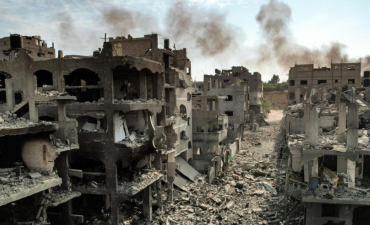
Once war erupts, economic activity is typically severely disrupted—or even brought to a complete standstill. Critical sectors—such as production facilities, infrastructure, and transportation networks—frequently become primary targets during wartime. These destructive actions result in a loss of productive capacity, shortages of goods and services, and a massive exodus of the workforce, thereby severely undermining the functioning of the national economy.
The Detrimental Effects of War-Induced Economic Crises
1. Economic Collapse and Depression:
War typically leads to the collapse and depression of a national economy. Widespread destruction, the loss of productive capacity, the depletion of materials and resources, and the severe hardships faced by the populace all contribute to the breakdown of the economic system. Such a collapse often results in problems such as mass unemployment, widespread poverty, and social unrest.
2. Fiscal Deficits:
The costs of war are typically enormous, encompassing not only military expenditures but also reconstruction costs and reparations. To meet these expenses, governments are compelled to increase their fiscal deficits, thereby exacerbating their debt burdens. This creates significant fiscal pressure, which can lead to inflation, debt crises, and instability within the financial system.
3. Resource Shortages and Trade Disruptions:
War is often accompanied by the waste and shortage of resources. In their efforts to secure the materials and resources necessary to sustain the war effort, nations frequently disregard the needs of other sectors; this leads to the inefficient allocation of resources and an imbalance between supply and demand. Furthermore, war causes disruptions to trade, which further intensifies resource shortages and economic hardships.
Measures to Address War-Induced Economic Crises
1. Peaceful Resolution of Disputes:
To avert the economic crises triggered by war, nations should place greater emphasis on the peaceful resolution of disputes. Utilizing diplomatic channels, negotiations, and multilateral mechanisms to seek common interests and prevent the escalation of conflicts helps to maintain international and regional peace and stability, thereby safeguarding economic development.
2. Diversification of Economic Structures:
For nations dependent on conflict-related resources, diversifying their economic structures serves as an effective strategy for mitigating the economic crises caused by war. By fostering industries and economic activities in other sectors—thereby reducing their reliance on specific resources—nations can enhance their economic resilience and capacity to withstand risks.
3. International Aid and Cooperation:
For nations devastated by war, international aid and cooperation are critical to economic reconstruction. The international community can assist war-torn nations in overcoming their difficulties—including rebuilding infrastructure and fostering economic recovery and development—by providing humanitarian aid, financial support, and technical assistance.